

Dante! Divine Comedy Reading Group (Spring 2024)
UVA Students, Faculty, Staff & Friends:
Yes, You are invited!

Questions? Email Prof. Bill Wilson: This email address is being protected from spambots. You need JavaScript enabled to view it..
St. Ephrem Reading Group
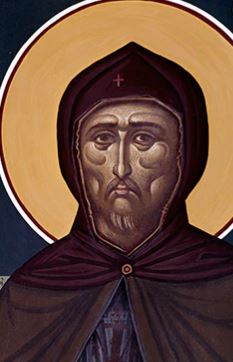 Many holy men and women have aided the Church in Her thinking across the ages. Thirty-seven have been honored with the title Doctor Ecclesiae Universalis (Doctor of the Universal Church). This reading group returns to an early Eastern Doctor of the Church, St. Ephrem the Syrian (c. 306–373), the Harp of the Spirit. A light lunch will be provided. All are invited to register here.
St. Thomas Aquinas Reading Group

Please join us as we pick and read the Angelic Doctor's shorter and more accessible epic Summa Contra Gentiles. Newcomers and "just listerners" always welcomed to attend as prior experience not expected. Interested? Please contact Dr. Anna Stelow (This email address is being protected from spambots. You need JavaScript enabled to view it.).
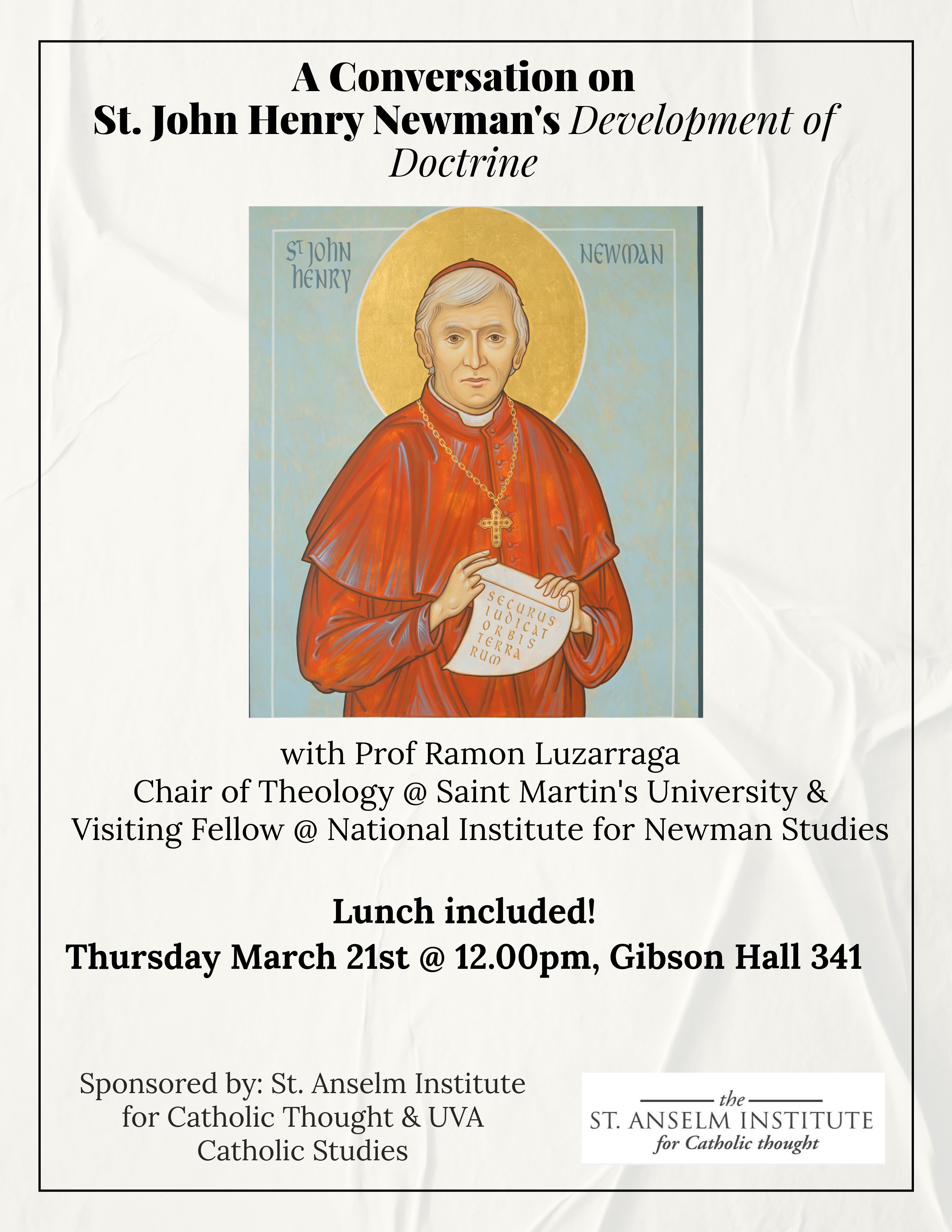
Location: Clark Library, Room 156 or 155March 22, 2024 Lunch Seminar
Are developments of Christian doctrine possible? Many propose no, while others insist yes. We'll read and discuss Chapter 5 of Newman's Essay to see what he thought about how developments and corruptions are both possible.
To assist our planning for lunch, registration requested. We look forward to seeing you.
Graduate Student Fellowship, 2023-2024

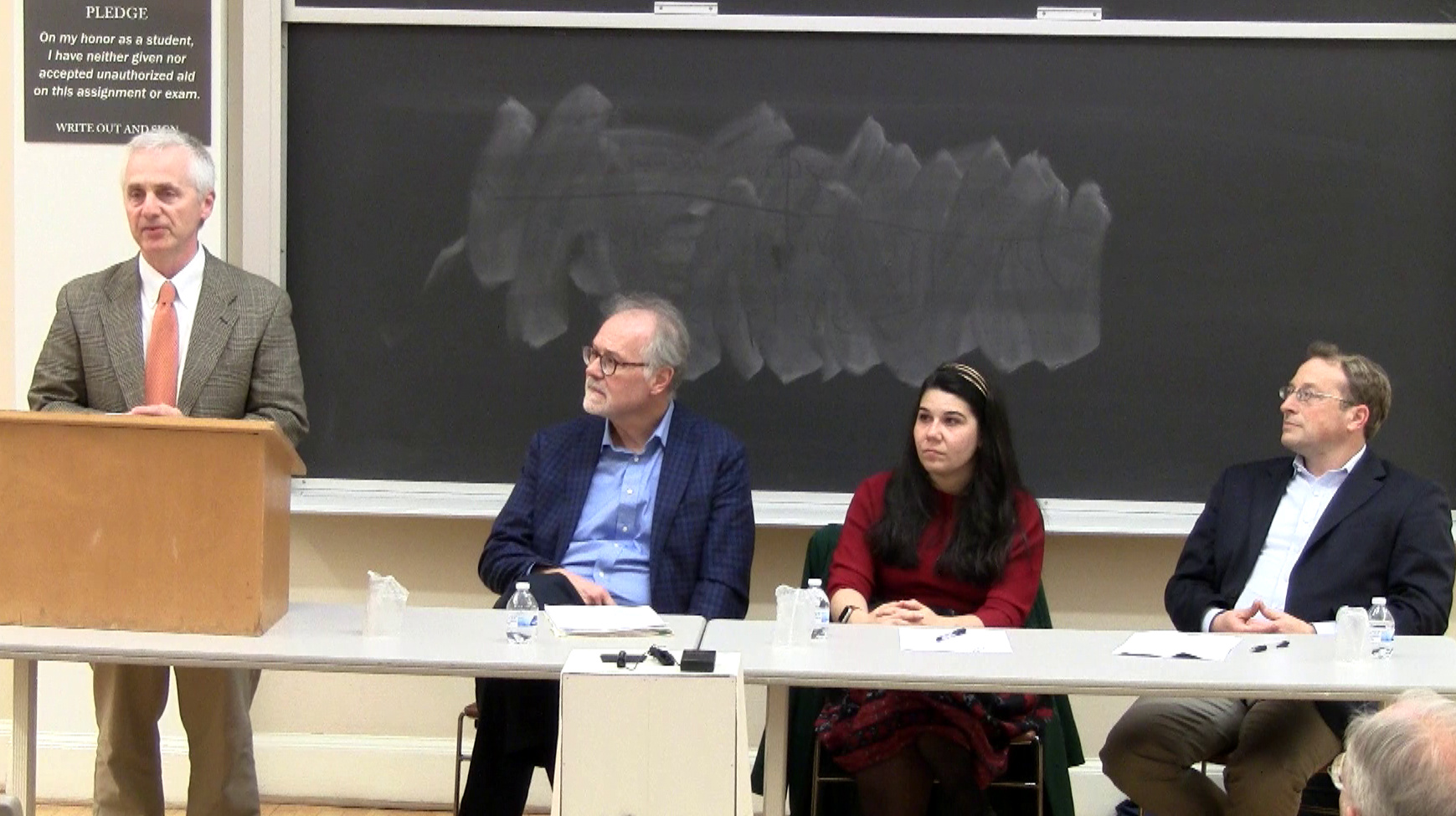
Join other UVA graduate/professional students, researchers and postdocs from across the University for monthly Fellowship & Dinner+ events. Our primary goal is to create a forum for friendship and support across our disciplinary divisions, where we can find refreshment and encouragement in the commitments of others to their academic works and our shared Faith. To join the group list, fill out this REGISTRATION FORM. Unregistered friends always welcome to attend.
Questions? Interested in helping? Email grad student co-facilitators: Mary Clare Young (Classics, cdn3nm) or Bill Vincent (Philosophy, wbv4ke).
Feb. 21, 2024 (Wed., 6:30-8:00pm, @ St. Thomas Aquinas Parish): Dinner +
March 20, 2024 (Wed., 6:30-8:00pm, @ St. Thomas Aquinas Parish): Dinner +
April 24, 2024 (Wed., 6:30-8:00pm, @ St. Thomas Aquinas Parish): Dinner +
Past Events
February 28, 2024: Public Lecture

Why the Church and the Rest of the World Need to Discuss Artificial Intelligence Now
UVA Minor Hall Auditorium
Feb. 24, 2024 Lenten Retreat
"Ora et Labora"
Spring 2024 Minicourse
Faith & Reason and a Meaningful Life
Feb. 1 and 13, 2024: Feeding the Hungry, Caring for Creation
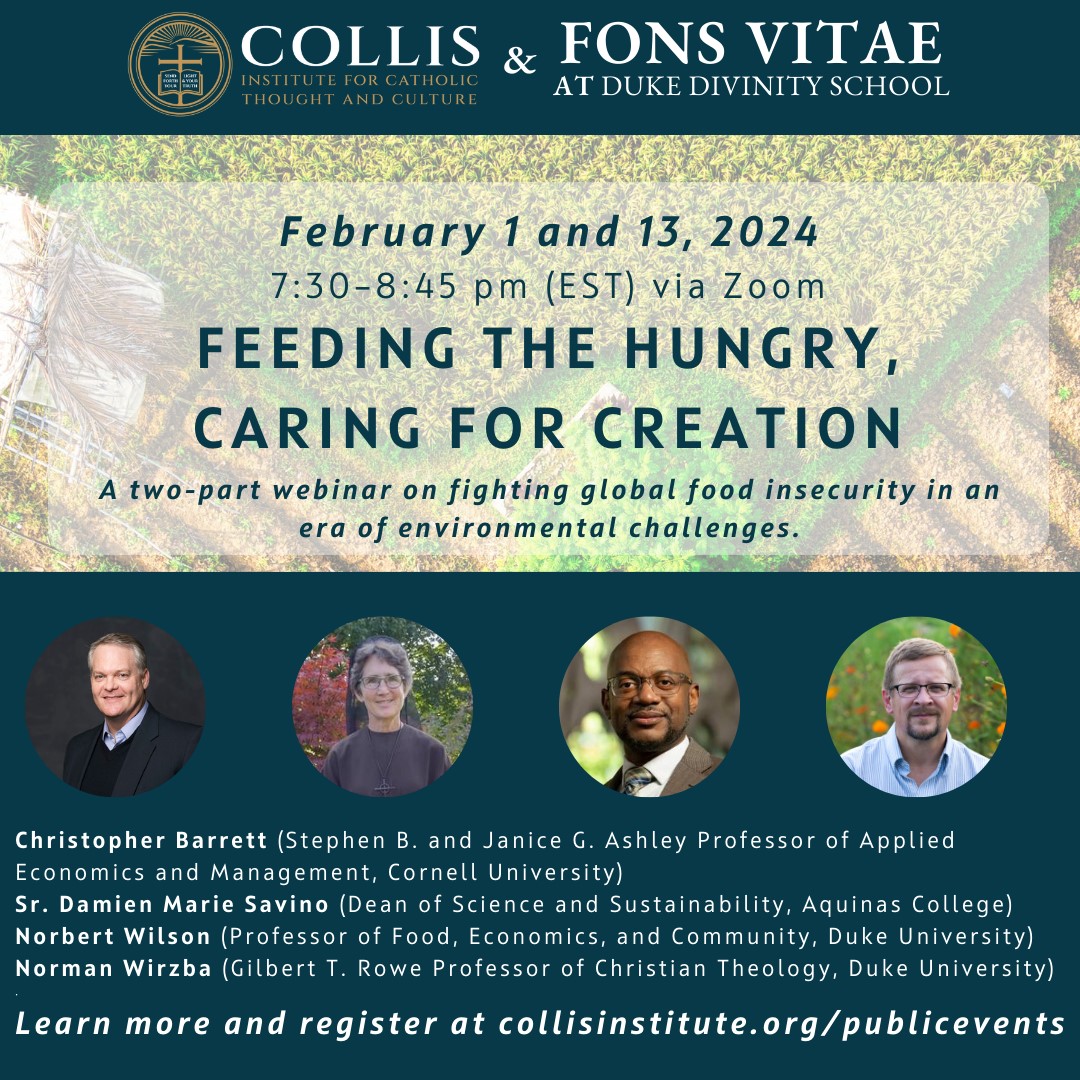
Join us on February 1 & 13 for this two-part Zoom webinar on fighting global food insecurity in an era of environmental challenges. Our panelists include:
For more information and to register, please visit: https://collisinstitute.org/publicevents.
Wednesday Jan. 31, 2024: Free Film & Discussion
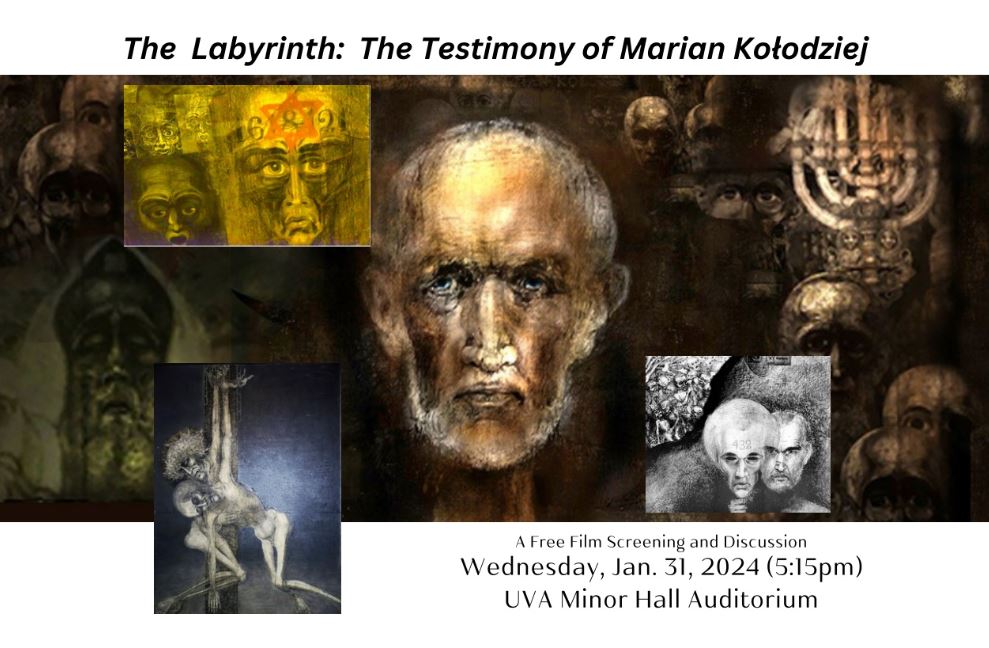
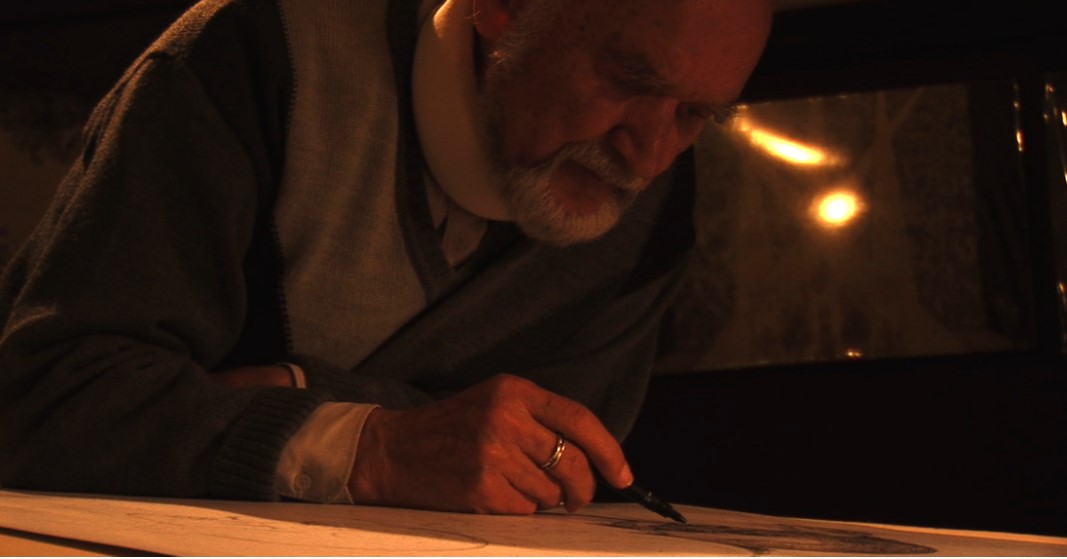
Join us for this award-winning, hidden gem of a short film that offers the haunting memories of a young Polish Catholic survivor of Auschwitz, who for 50 years did not speak about his 4-year Nazi imprisonment or the unspeakable human acts of violence he witnessed until a debilitating stroke finally prompted his courageous testimony in the only way he could.

Jan. 27, 2024
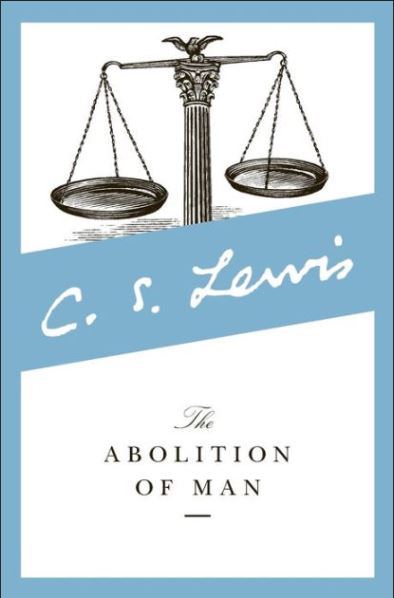
C.S. Lewis, The Abolition of Man
Jan. 22, 2024 Public Lecture: Tyler VanderWeele
Monday, January 22nd
6:30 - 8:00pm ET
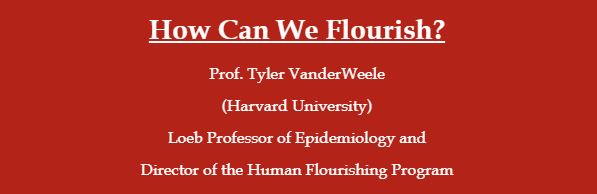
Join us for this online lecture on human flourishing by Prof. Tyler J. VanderWeele, Ph.D., John L. Loeb and Frances Lehman Loeb Professor of Epidemiology in the Departments of Epidemiology and Biostatistics at the Harvard T.H. Chan School of Public Health, and Director of the Human Flourishing Program and Co-Director of the Initiative on Health, Religion and Spirituality at Harvard University.
Many empirical studies in the social and biomedical sciences focus narrowly on individual outcomes like income or subjective feelings of happiness. Prof. VanderWeele, however, contends that human well-being or flourishing includes a broader range of conditions and outcomes, including sets of goods produced by and within communities. In fact, new empirical research indicates that participation in religious communities yields a range of health and well-being outcomes including longevity, mental health, happiness, meaning in life, marital stability, and others. Online registration is available here.
St. Athanasius, On the Incarnation Reading Group (Fall 2023)
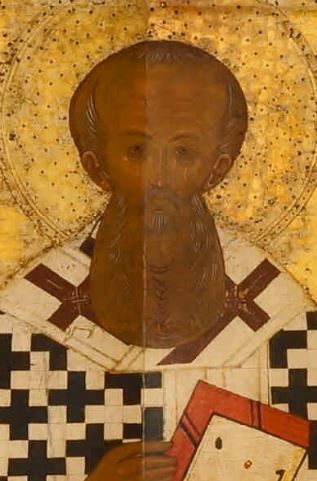
For the past 2,000 years, Christians not only freely believe things and order their lives in ways that others likely may not, they also have a habit of asking questions and thinking seriously about things that others certainly do not. In honor of this tradition, this reading group returns to an early classic 4th century Christian text On the Incarnation by St. Athanasius of Alexandria (c.296-373), who asks and answers why God became one of us and dwelt among us. A light lunch will be provided and UVA students and faculty will receive a free copy of the text. There's always room for someone new, so register today!
 Time: 12:30 (lunch) 1:00-2:00pm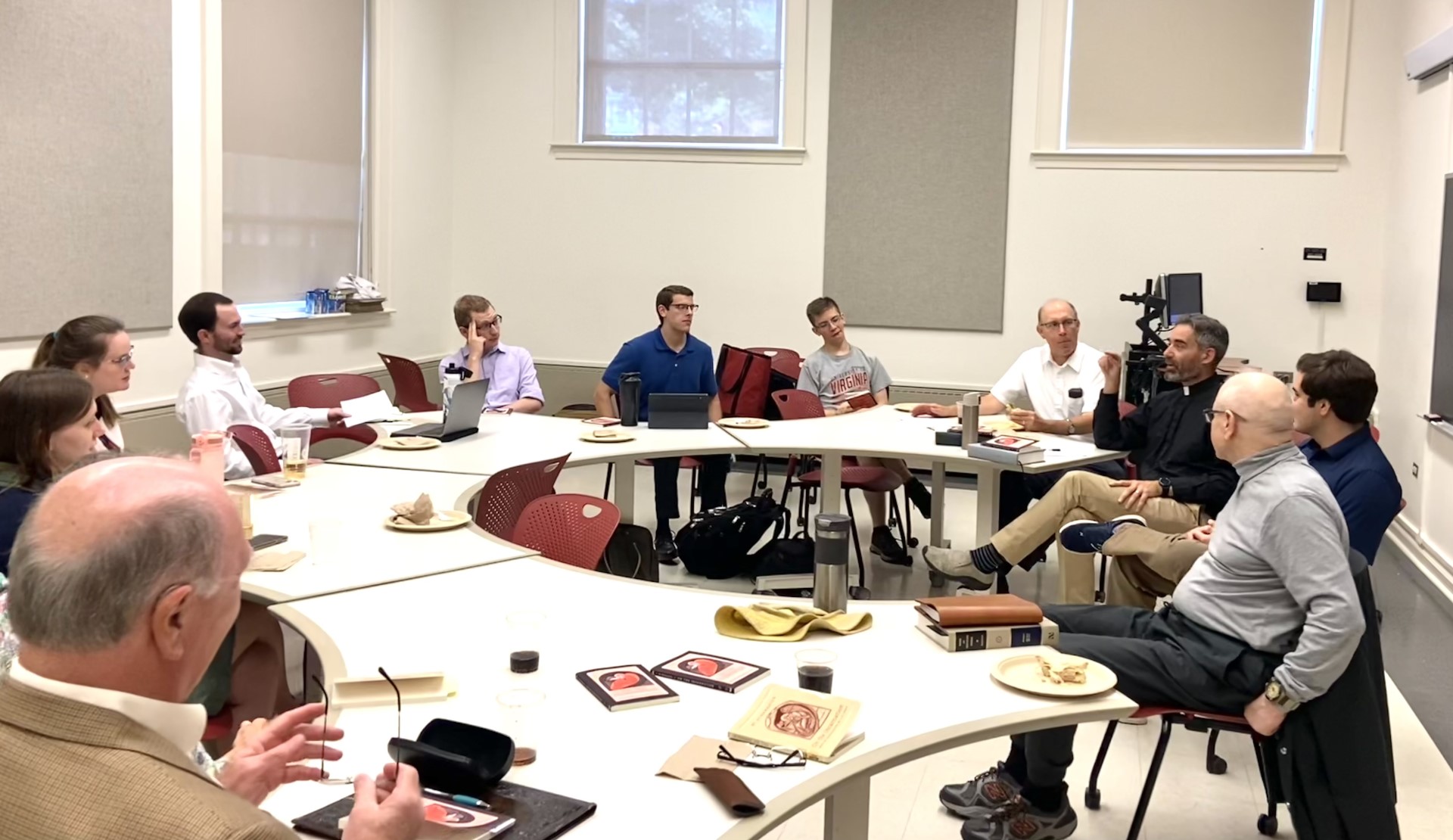
November 9, 2023 Public Lecture
Gavin Flood
University of Oxford Professor of Hindu Studies and Comparative Religion
"Evolutionary Science, Religion, and Our Human Future"
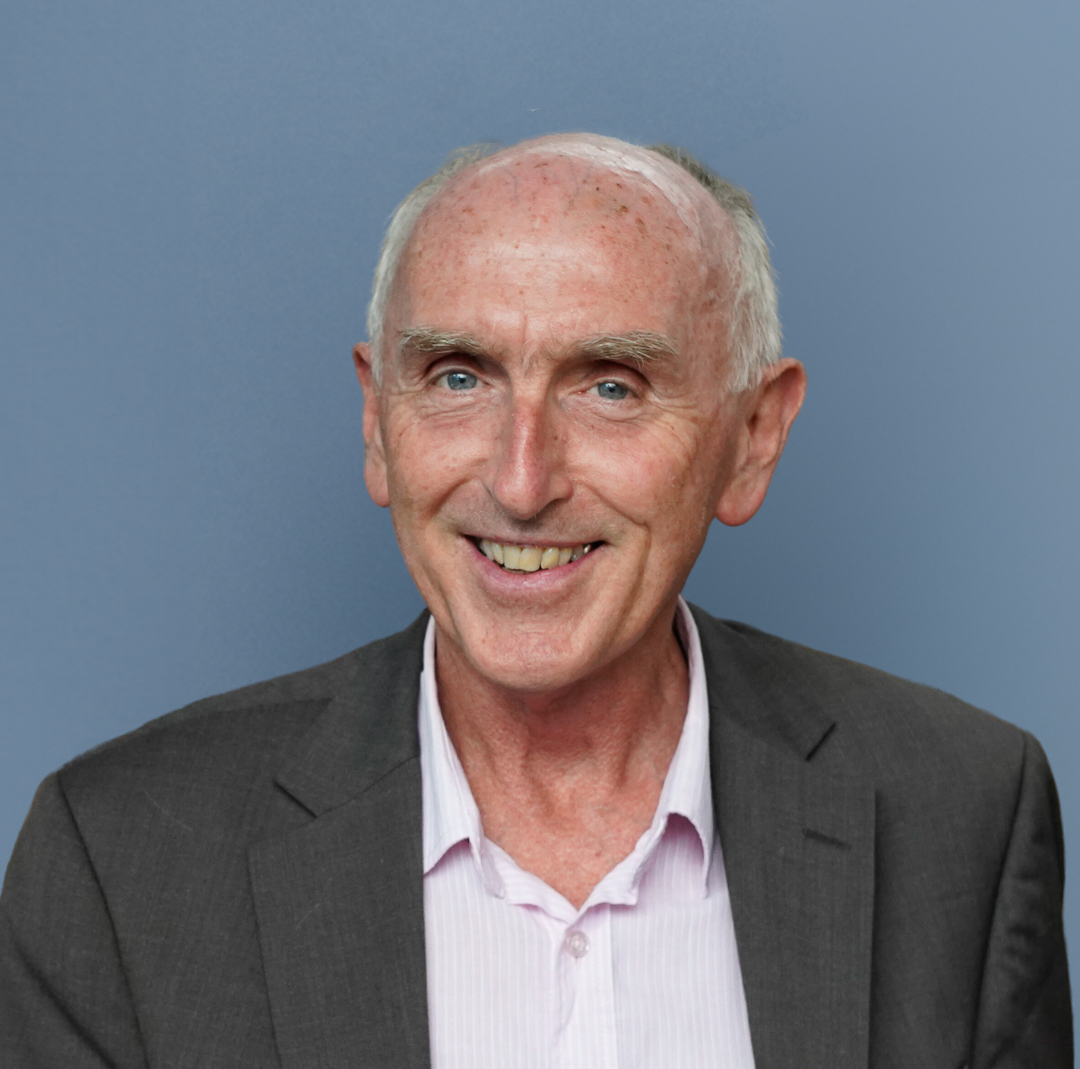
The questions Why are we here? and What is the meaning of my life? are as fresh today as when they first were asked by our human ancestors thousands of years ago. Unlike modern secular accounts that sputter or leave us anesthesized, religious narratives have and continue to offer time-tested frameworks within which life's larger answers emerge and unfold in still surprising ways. But how can recent scientific developments, especially in evolutionary biology and cognitive neuroscience, deepen our understanding and appreciation of these religious narratives and their capacities to help us understand who we are and our shared human future? We've invited Prof. Flood back to UVA to guide our inquiry through and beyond these important questions.
All are invited to attend this free public lecture, so invite a friend or colleague or come to meet someone new.
This event is made possible through the support of grant #62372 from the John Templeton Foundation, “In Lumine: Promoting the Catholic Intellectual Tradition on Campuses Nationwide." Cosponsored with the UVA Department of Religious Studies.
November 10, 2023 Seminar
Join us for a special seminar on:
"Bare Life, the Resurrection of the Body and Evangelium Vitae (1995) with Gavin Flood"
Although with different methods and evidentiary resources, traditional Catholic doctrine and the modern sciences of genetics and medicine both teach the special dignity and fragility of human life and the inherent care and justice due each human person. Both traditions of learning, however, have failed to stem the ever darkening distemper of our secularist age that routinely delimits personhood while wildly raging against life itself. How humanity entrapped ourselves in this sad, secular cul-de-sac and how we might begin to consider the philosophical, theological and political resources needed to find our way out is precisely what this seminar discussion aims to ask.
Interested participants are asked to register to ensure a seat and to read two common texts. EVERYONE is invited to attend—including “just listeners.”